
Rare Disease UK is a long-standing and pioneering national campaign by Genetic Alliance UK that represents and unites everyone in the rare disease community. We also provide leadership for the annual awareness-raising Rare Disease Day across the UK.

About Rare Disease UK
The aims of Rare Disease UK are to:
- Raise awareness of all rare conditions across the UK, pushing for lasting change that improves the lives of everyone affected by a rare condition. The major driver for this is Rare Disease Day
- Ensure that the UK and devolved nation governments are accountable for implementing the UK Rare Diseases Framework, a policy setting out a vision of how to improve the lives of people living with rare conditions across the UK
- Capture the experiences of living with a rare disease, meaning that the challenges of living with rare conditions can be better understood and better interventions and policies developed as a result
- Provide a voice for the rare disease community, bringing together charities and support groups representing people living with rare conditions. This includes our Patient Empowerment Group, a key collaboration ensuring the voices of people with rare diseases were central to developing the UK Rare Diseases Framework
- Support everyone affected by a rare condition. With decades of experience in the rare disease space, we’re here to provide information and signposting so everyone in the rare disease community can find the support they need
Genetic Alliance UK, through the Rare Disease UK campaign, is the proud organiser of Rare Disease Day across the UK. The international Rare Disease Day awareness raising campaign is led by rare disease group EURORDIS.
Rare Disease Day is an important international awareness day that takes place annually on 28 February (or 29 February in leap years). This date was chosen because 29 February is the rarest day of the year. Thousands of rare disease organisations from around the world participate in every Rare Disease Day, representing the nearly 300m people living with a rare condition globally.
Every Rare Disease Day we focus on a particular challenge or opportunity for people affected by rare conditions in the UK. One of the ways that we mark Rare Disease Day is through our Parliamentary receptions in Westminster and the devolved administrations in Scotland and Wales. We also organise a virtual reception bringing together representatives from England, Scotland, Wales and the Northern Ireland Rare Disease Partnership in Northern Ireland.
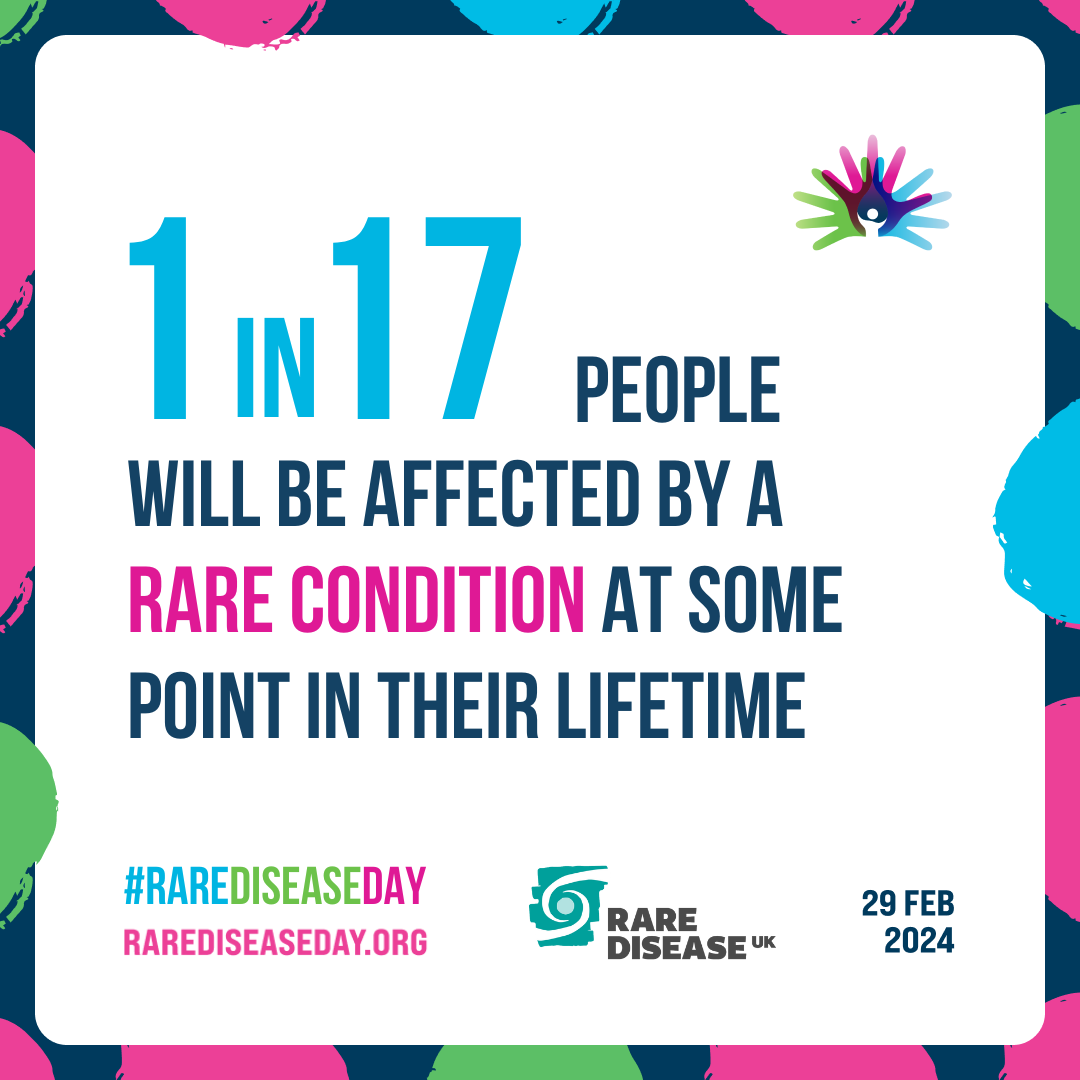
Rare Disease Day 2024
Learn more about our plans for Rare Disease Day 2024, on Thursday 29 February 2024